Duluth's Most Common Water Damage Emergencies (and How We Handle Them)
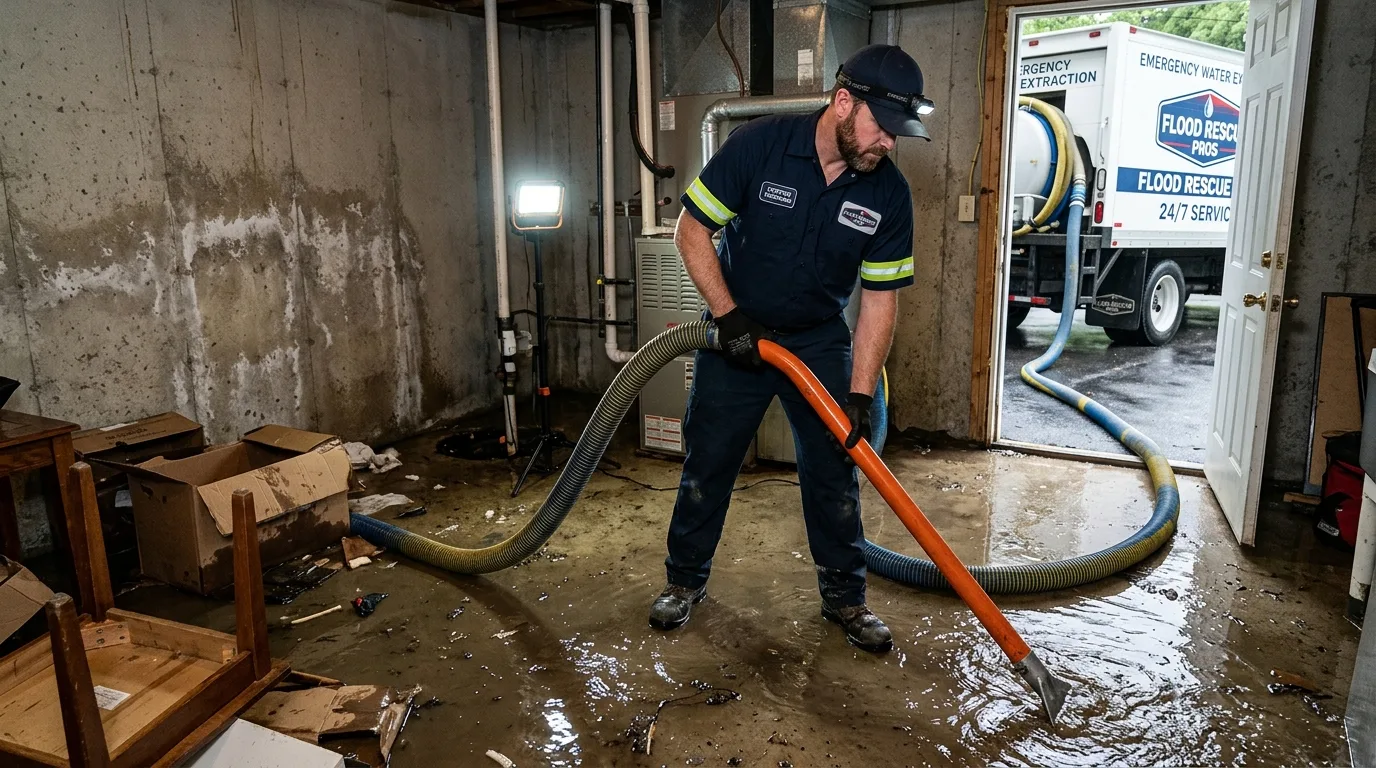
After responding to water damage emergencies across Duluth, GA and the greater Gwinnett County area, patterns emerge. Certain types of water events cluster in specific seasons, occur most often in specific neighborhoods, and produce predictable damage profiles. Understanding these patterns helps Duluth homeowners prepare for the type of emergency their property is most likely to face — and respond more effectively when it happens. This post covers the six water damage emergencies we handle most frequently in Duluth and what the response looks like for each.
Water Emergency in Duluth? Call (877) 698-1311
We respond 24/7 to all types of water damage emergencies throughout Gwinnett County.
Emergency 1: Winter Burst Pipes in Uninsulated Attic Supply Lines
When it happens: January and February, during cold snaps where overnight temperatures drop below 28°F
Where it happens most: Older homes throughout Downtown Duluth and the Howell Crossing area with supply lines routed through unconditioned attic spaces — a construction practice that was standard in Georgia before modern building science addressed freeze risk.
What we see: The homeowner typically discovers the event in the morning after a cold night — either from the sound of running water, visible ceiling staining, or water already dripping through ceiling fixtures. By the time it’s discovered, the pipe may have been running for 4–8 hours, saturating ceiling drywall, wall cavities, and potentially floors on multiple levels. The Gwinnett County average for burst pipe events — $5,000 to $70,000 — reflects how dramatically total cost rises with the duration of the undetected leak.
How we handle it: Immediate identification and isolation of the burst section (we coordinate with licensed plumbers for the repair), full extraction of standing water, thermal camera mapping of the full moisture spread (which is almost always larger than what’s visible), deployment of air movers and dehumidifiers in a configuration calculated for the affected area, and daily moisture monitoring through the drying period.
Emergency 2: Spring Thunderstorm Basement Flooding
When it happens: March through May, during intense thunderstorm events
Where it happens most: Properties near Gwinnett County’s drainage corridors, particularly those with finished basements in the Berkeley Lake Estates area and older neighborhoods where lot grading directs runoff toward foundations.
What we see: Water entering through foundation wall cracks or floor-wall seams, driven by the hydrostatic pressure that Gwinnett County’s Rhodic clay soil creates during heavy rainfall saturation. This event type frequently involves Category 2 water because clay-contaminated groundwater contacts the basement floor and walls. Finished basements with carpet, drywall, and stored personal property suffer the most material loss.
How we handle it: Emergency extraction of standing water, Category 2 water protocols (antimicrobial treatment by our Georgia Department of Agriculture-licensed applicators), aggressive material removal of Category 2 contact materials (carpet, pad, affected drywall), dehumidification targeting both the basement air and the concrete/masonry assembly, and source identification to determine whether ongoing waterproofing work is needed to prevent recurrence.
Emergency 3: Summer Appliance Leaks Accelerated by Humidity
When it happens: Year-round, with the most severe outcomes in June through August
Where it happens most: Kitchens and laundry areas throughout all Duluth neighborhoods, including newer developments near Suwanee and the Peachtree Corners corridor.
What we see: A refrigerator supply line, dishwasher drain connection, or washing machine hose fails and releases water into the kitchen or laundry area — often while the homeowner is at work. By the time the homeowner returns 8 hours later, the water has been absorbed into the subfloor and begun wicking into adjacent wall cavities. In Duluth’s summer humidity, 8 hours of unaddressed moisture in warm conditions produces detectable mold growth in carpet and drywall backing.
Water Damage in Duluth This Summer? We Act Fast
Summer events require the fastest response of the year. Call (877) 698-1311 immediately — we respond 24/7.
How we handle it: Emergency extraction, immediate moisture mapping to find the full extent of absorption, Category 1 water drying protocols if the event was caught before degradation, and accelerated drying using supplemental heat injection in summer conditions where ambient humidity makes standard drying slower. The summer timeline pressure requires us to move efficiently from extraction to drying setup without delay.
Emergency 4: Sewage Backup During Heavy Rain
When it happens: Spring and summer, coinciding with the most intense rainfall events
Where it happens most: Properties in older sections of Duluth with connections to municipal sewer lines that experience hydraulic overload during heavy storms — particularly neighborhoods near Downtown Duluth’s original sewer infrastructure.
What we see: Sewage backs up through basement floor drains, laundry drain standpipes, or ground-floor cleanouts during or immediately after a heavy storm. The homeowner discovers standing black water in the basement, often with visible solid material and a strong sewage odor. This is a Category 3 event requiring immediate evacuation of household members from the affected area.
How we handle it: Full PPE deployment, containment barriers to isolate the affected area from the rest of the home, immediate Category 3 extraction, removal and licensed disposal of all porous materials that contacted sewage (drywall, carpet, insulation, stored goods), EPA-registered biocide application by our GA-licensed applicators, structural drying, and post-remediation air sampling before reconstruction begins.
Emergency 5: HVAC Condensate Overflow
When it happens: Summer, when air conditioning systems run continuously and condensate production is at its peak
Where it happens most: Finished basements and multi-level homes throughout Duluth, particularly those with air handlers located in closets above finished spaces.
What we see: A clogged condensate drain line causes the condensate pan to overflow, releasing 10–30 gallons of water into the ceiling or wall assembly below. The event is often discovered when ceiling staining appears, sometimes days after it began. Because HVAC condensate is relatively clean water in a temperature-controlled environment, mold growth is slower than in warm basement events — but not absent.
How we handle it: Water category assessment (typically Category 1 for condensate from a functioning HVAC system), ceiling and wall moisture mapping, controlled demolition as needed to expose the wet assembly for drying, and coordination with HVAC technicians to clear the condensate line and prevent recurrence. If the event has been ongoing for more than 48 hours in summer, mold assessment is included.
Emergency 6: Slow Leak Discovered After Significant Structural Damage
When it happens: Year-round; discovered in spring during pre-sale inspections, or after winter when crawlspace issues become apparent
Where it happens most: Any Duluth property, but particularly older homes throughout the historic district and Sweetbottom Plantation area where aging supply lines and drain connections have been in service for decades.
What we see: A dripping connection inside a wall, a slow supply valve leak under a sink, or a failing P-trap at a floor drain has been releasing water for weeks or months. When finally discovered, the structural assembly has sustained wood rot, significant mold growth in wall cavities, and in severe cases, compromised structural framing. These events are among the most expensive because the damage footprint is large and the mold remediation scope is extensive.
How we handle it: Full mold assessment with air and surface sampling, comprehensive moisture mapping, extensive controlled demolition to remove all affected materials, biocide treatment by licensed applicators, structural drying, and reconstruction planning. These events typically require more extensive coordination with Gwinnett County building permits because structural repairs are almost always involved.
Frequently Asked Questions
Which type of water emergency is most expensive in Duluth, GA?
Burst pipes that run undetected overnight and sewage backup events consistently produce the highest total restoration costs in Duluth. A burst pipe running 8 hours can release tens of thousands of gallons and saturate multiple floors; sewage backup events require the most intensive material removal and treatment protocols. Slow hidden leaks that go undetected for months also produce high costs because the damage footprint is large by the time they’re discovered. Early detection and immediate response are the most effective cost controls for all event types.
How fast does mold grow after a water event in Duluth?
Mold can begin colonizing wet organic materials within 24–48 hours in Duluth’s standard conditions — and faster (12–24 hours) during summer months when ambient temperatures and humidity are at their peak. The 48-hour window is the threshold that determines whether a water event requires mold remediation in addition to water damage restoration. Events addressed with professional extraction and drying within 24 hours have the highest rate of mold-free outcomes.
What should I do while waiting for the restoration team to arrive in Duluth?
Turn off the main water supply (for pipe-source events), turn off electricity in affected areas, photograph everything before any cleanup or movement, move high-value items to dry areas if you can do so safely, and avoid using household fans in sewage events (which spread contaminated aerosols). Do not attempt DIY extraction for Category 2 or 3 events. For Category 1 events, placing dry towels to slow spread is acceptable but does not substitute for professional extraction.
Related: