Water Damage Risks in Duluth's Historic Downtown Homes
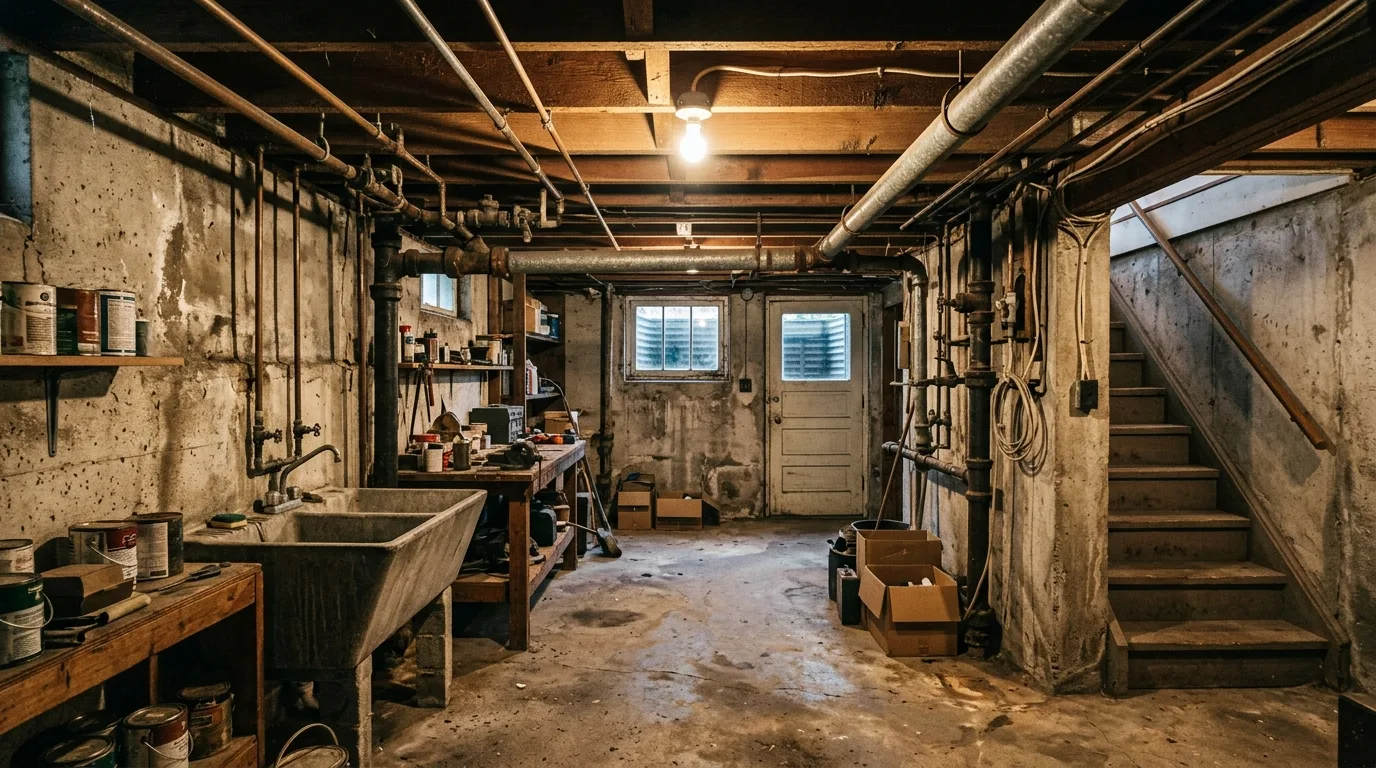
The homes near the Duluth Town Green, along Buford Highway, and throughout Historic Downtown Duluth have character that newer developments can’t replicate — original hardwood floors, craftsman trim details, solid wood framing. But those same older homes carry water damage risks that their original builders could never have anticipated, and that modern construction codes have largely solved. If you own or are considering buying a home in Duluth’s historic district, understanding these risks is essential. In this post, we cover the specific water damage vulnerabilities of older Duluth construction, what restoration looks like in a historic home, and what warning signs to watch for.
Historic Home Water Damage in Duluth? Call (877) 698-1311
We specialize in restoration that protects historic building materials while meeting modern moisture control standards.
Why Older Duluth Homes Are More Vulnerable to Water Damage
Historic Downtown Duluth’s housing stock includes homes built across several decades, and each era of construction has its own water vulnerability profile.
Pre-1980s foundations: Homes built before modern foundation waterproofing membranes and drainage board were standard have masonry or concrete block foundations that rely on the quality of original mortar joints and surface coatings for water resistance. In Gwinnett County’s red clay environment — with its documented hydrostatic pressure challenges — these older foundations are disproportionately likely to experience basement seepage as mortar joints age and degrade. Many homes in the historic Sweetbottom Plantation area and Downtown Duluth have foundations that have never been waterproofed in the modern sense.
Original plumbing systems: Homes built before the 1970s often have galvanized steel supply lines — a material that corrodes from the inside out, restricting flow over decades and eventually failing suddenly. The failure mode of galvanized pipe is typically a small pinhole leak inside a wall rather than a dramatic burst, meaning the home can sustain water damage for weeks before the leak is discovered. Older copper systems may have lead solder at joints that is also susceptible to joint failure as solder ages.
Cast iron drain lines: Historic Duluth homes often have cast iron drain lines that have been in service for 50–80 years. Cast iron corrodes slowly but steadily; old drain lines may have significant calcification reducing flow capacity, root intrusion at joints, and cracking from decades of thermal cycling. A root-invaded drain line is a sewage backup waiting to happen — and sewage backup in a historic home with original wood floors and plaster walls is among the most costly restoration scenarios.
Lack of vapor barriers: The concept of vapor barriers in crawlspace and wall assemblies is a relatively modern building practice. Many historic Duluth homes have open crawlspaces with soil floors and no moisture barrier — allowing ground moisture to rise into the floor system continuously. Over decades, this chronic elevated moisture in the floor framing creates ideal conditions for wood rot and insect infestation, which compromises structural integrity long before visible water damage appears.
What Water Damage Restoration Looks Like in a Historic Downtown Duluth Home
Restoring water damage in a historic home is more complex than standard residential restoration because the goal is not just to return the home to function — it’s to preserve materials and character that can’t be easily replaced.
Original hardwood floors: Solid hardwood (as opposed to engineered hardwood) has a meaningful advantage: it can be dried, then sanded and refinished, if structural drying is achieved before buckling becomes permanent. The window for saving original hardwood after flooding is tight — typically 24–48 hours in Georgia’s summer climate — but significantly wider than for engineered products. Our team uses low-profile floor mats with vacuum extraction to dry hardwood from below without the aggressive material removal that would be required with engineered products.
Plaster walls: Original plaster walls are more water-resistant than modern drywall during short-term exposure because plaster has lower porosity. However, saturated plaster eventually fails and must be replaced. The challenge in a historic home is that plaster replacement rarely matches the original texture — a restoration decision that affects both authenticity and value. We advise on drying timelines that maximize the probability of plaster preservation.
Exposed wood framing: Older homes often have visible old-growth wood framing with a density and quality not found in modern lumber. Where framing has been exposed by water damage, we work to dry and preserve original framing rather than replacing it with modern dimensional lumber whenever structurally sound after drying.
Water Damage Assessment for Duluth Historic Homes
We understand what original materials are worth saving — and how to save them. Call (877) 698-1311.
Warning Signs of Water Damage in Historic Duluth Properties
Historic homes often accumulate water damage slowly and invisibly. These warning signs indicate a problem worth investigating:
- Staining on plaster ceilings or walls — particularly yellow or brown rings that may have dried and are no longer wet-feeling — indicate past or ongoing water intrusion from above.
- Musty smell in the basement or crawlspace — a persistent organic smell indicates chronic elevated moisture and likely mold growth in framing or insulation.
- Soft spots in wood floors — particularly near exterior walls and in bathrooms — indicate subfloor saturation, often from a chronic slow leak in a supply line or drain.
- Rust staining around fixtures — galvanized pipes corrode and deposit rust into fixtures before they fail completely, indicating pipes that are near the end of their service life.
- Efflorescence on basement walls — the white mineral deposits that indicate past or ongoing water intrusion through the masonry foundation.
- Doors and windows that stick seasonally — while this has multiple causes, swelling from moisture in the framing is one of them and indicates elevated wood moisture content in the structure.
Water Damage Restoration Costs in Duluth’s Historic District
Water damage restoration in historic Duluth homes typically runs higher than modern construction restoration because labor intensity is greater and material decision-making is more nuanced. The Gwinnett County average of $2,258–$2,321 for a typical water damage event understates costs for historic properties where preserving original materials adds scope. Homes near the Duluth Town Green with original hardwood, plaster, and craftsman millwork can see restoration costs 1.5–2x the county average when significant water damage requires careful material-by-material decisions.
The calculus for insurance claims in historic homes is also more complex — the actual cash value of original materials is often lower than their replacement cost or preservation cost, and insuring to the full replacement cost of original materials requires specific coverage endorsements. We document original material conditions and restoration options thoroughly to support the most complete possible insurance recovery.
Frequently Asked Questions
Can historic homes in Duluth be restored after significant water damage?
Yes, in most cases — the key variable is response time. Historic homes with original materials that are reached by professional restoration within 24–48 hours of a water event have a high probability of preserving original flooring, plaster, and millwork. Homes where water sat for days before being addressed typically require more material removal. We’ve successfully restored historic Downtown Duluth properties that homeowners feared were total losses — the structural integrity of old-growth framing is often better than modern lumber even after water exposure.
Do I need special permits to repair water damage in Duluth’s historic district?
Gwinnett County requires permits for structural repairs and plumbing work regardless of historic status. Properties within designated historic districts may also require approval from historic preservation authorities for any visible exterior changes. Interior restoration work — replacing water-damaged drywall, subfloor, or mechanical systems — typically does not require historic review, only standard building permits. We coordinate all permit applications as part of our restoration service.
How do I find a water damage contractor experienced with historic homes in Duluth?
Ask specifically whether the contractor has experience drying and preserving original hardwood floors and plaster walls — these require different drying protocols than modern materials. Ask about their moisture monitoring process (they should use calibrated meters, not visual assessment). Verify IICRC certification and Georgia licensing. Look for a contractor who advocates for material preservation first and replacement only when preservation isn’t structurally viable.
Related: