Spring Thunderstorm Flooding in Gwinnett County: What to Do
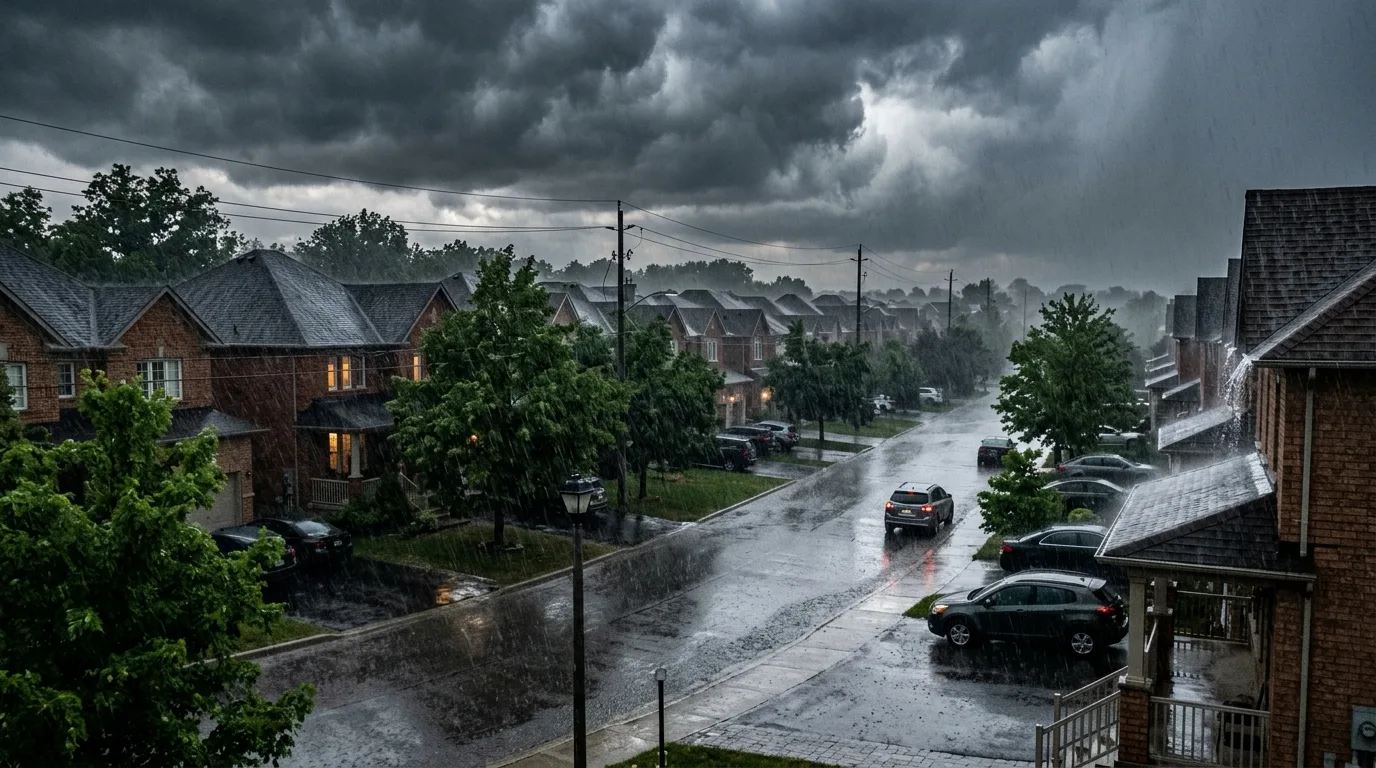
What do you do in the first 30 minutes after a spring thunderstorm floods your Gwinnett County home? Most homeowners freeze — they don’t know whether to call a plumber, the insurance company, or a water damage company first. In this post, we cover the priority sequence for the first hour after storm flooding, why Gwinnett County’s geography makes spring flooding particularly damaging, and how to protect your Duluth property from secondary water damage while you wait for help.
Flooding in Duluth? Call (877) 698-1311 Now
24/7 emergency flood damage cleanup for Duluth and all of Gwinnett County. We respond immediately.
Why Spring Thunderstorms Cause Flooding in Gwinnett County, GA
Gwinnett County sees its worst flooding between March and May, when atmospheric instability produces intense, fast-moving thunderstorm systems capable of dropping 2–4 inches of rain in under an hour. This storm pattern is driven by warm Gulf moisture colliding with cold Canadian air along Georgia’s Piedmont terrain — the same geography that produces severe weather watches throughout the Atlanta metro area each spring.
What makes Gwinnett County particularly flood-prone is the soil: the county’s Rhodic Kanhapludult clay, with a permeability of only 0.6–2.0 inches per hour, cannot absorb intense rainfall fast enough to prevent surface runoff. When a storm drops 2 inches in 45 minutes on clay-heavy ground, the vast majority of that water runs off rather than soaks in — straight toward homes in low-lying areas, toward storm drain inlets that quickly surpass capacity, and toward sewer systems that serve the older neighborhoods near Downtown Duluth and the Berkeley Lake Estates corridor.
Your First 30 Minutes After Storm Flooding
Acting in the right order in the first 30 minutes significantly reduces your total loss.
Step 1 — Ensure electrical safety before entering: If water is near electrical outlets, panels, or appliances, do not enter the flooded space until you have confirmed the electricity is off. If you can’t reach the electrical panel without crossing flooded areas, call your utility company or stay out until a professional assesses it. Electrocution is the leading cause of death in flood events.
Step 2 — Stop additional water entry if possible: Close windows and doors, move items to higher floors, and — if the flooding is from an interior source like a burst pipe or backed-up toilet — turn off the main water supply. If flooding is from storm water entering from outside, there may be little you can do to stop entry, but moving valuables above the flood level reduces loss.
Step 3 — Call your water damage restoration company: Call a water damage company before you call your insurance company. Restoration companies can document the scene, begin extraction immediately, and generate the initial loss assessment that your insurance adjuster will use. Duluth Water Damage Restoration dispatches within minutes of your call — our documentation starts the moment we arrive.
Step 4 — Document with your phone: Take photos and video of every affected area before any cleanup or movement of belongings. Photograph water levels on walls, affected items, and any visible structural damage. This documentation is essential for your insurance claim.
Step 5 — Call your insurance company: Once you’ve initiated professional restoration and documented the scene, notify your insurance carrier. Have your policy number ready. Ask specifically whether flood damage (rising water from outside) versus storm-driven water entry is covered under your policy — these are often different coverages.
Duluth Spring Flood Cleanup — We Handle Everything
From extraction through insurance documentation, Duluth Water Damage Restoration manages the full process.
How Gwinnett County Sewer Systems Contribute to Spring Flooding
Spring flooding in Duluth often involves more than surface water. Gwinnett County’s combined storm and sanitary sewer infrastructure in older neighborhoods can experience hydraulic overload during intense rain events — when more water enters the system than it can discharge, pressure builds and seeks the path of least resistance: floor drains, basement cleanouts, and laundry drains in connected structures.
The result is a sewage backup that coincides with the storm flooding — a Category 3 water event layered on top of a Category 2 storm water event. Homes in the Howell Crossing area and throughout the older sections of Downtown Duluth bear the highest risk of this combined flooding scenario because their sewer connections are oldest. If storm flooding is accompanied by any discoloration, odor, or visible solids in the water, treat it as Category 3 (black water) and do not handle it without professional equipment and licensing.
What Spring Flooding Does to Duluth Homes If Not Addressed Immediately
The timeline of damage after spring storm flooding in Duluth follows a predictable pattern that illustrates why extraction speed matters.
- 0–1 hour: Water migrates into carpet, hardwood, drywall, and insulation. Structural materials begin absorbing moisture.
- 1–24 hours: Category 2 storm water begins microbiological growth as it sits. Hardwood floors start to buckle. Drywall paper begins to delaminate. Furniture begins to absorb water into finished wood.
- 24–48 hours: Mold spores in the ambient air — always present in Duluth’s humid environment — begin colonizing wet surfaces. In Georgia’s summer temperatures, this timeline shortens.
- 72+ hours: Structural drying without professional equipment is no longer achievable in most materials. Material removal becomes necessary where it might have been avoided with early extraction.
Dehumidification following extraction is not optional in Gwinnett County’s spring climate. Even after visible water is removed, structural materials retain moisture that ambient air in a 60–70% relative humidity environment cannot evaporate efficiently. Only commercial-grade LGR dehumidifiers can pull enough moisture to achieve target dryness within the 3–5 day window before mold colonization becomes established.
Cost Factors for Spring Flood Cleanup in Duluth
Spring storm flood cleanup in Duluth GA typically runs between $1,361 and $6,270 for residential properties, with basement events and Category 3 sewage backup scenarios pushing higher. The county average for a water damage claim falls around $2,258–$2,321, but spring storm events involving multiple rooms or finished basements regularly exceed that figure. Insurance coverage for storm-driven flooding depends on whether the water entered from above (roof or window) versus rising from below (groundwater or sewer backup) — two coverages that are typically separated in Georgia homeowners policies.
Gwinnett County Flood Response — (877) 698-1311
Duluth Water Damage Restoration handles spring flood cleanup from extraction through reconstruction for all Gwinnett County properties.
Frequently Asked Questions
Does homeowners insurance cover spring flood damage in Duluth?
Standard homeowners insurance in Georgia covers storm-driven water that enters through a damaged roof, broken windows, or other sudden opening — but typically does not cover rising groundwater or overland flooding, which requires a separate flood insurance policy through the National Flood Insurance Program. Sewer backup coverage is often available as a rider but must be added before a claim occurs. We can review your documentation to help you understand which portions of your loss are covered.
Is spring storm water safe to clean up myself?
Storm water that has contacted ground, soil, or any drainage system is classified as Category 2 (gray water) at minimum — and often Category 3 (black water) if sewage is present. Category 2 and 3 water carries pathogens that pose health risks during cleanup without proper PPE. We recommend against DIY cleanup for any storm-origin flooding that has sat more than 24 hours or that has any odor or discoloration suggesting sewer content.
How do I prevent spring storm flooding in my Duluth home?
Preventive measures include maintaining gutters and downspouts to direct roof runoff away from the foundation, extending downspout extensions at least 6 feet from the foundation, installing a sump pump with battery backup in the basement, and having a backflow preventer installed on your sewer connection. Homes near McDaniel Farm Park and along Gwinnett County’s lower-lying drainage corridors may benefit from a waterproofing professional’s assessment of foundation drainage.
Related: