Your Fall Home Maintenance Checklist for Water Damage Prevention in Duluth, GA
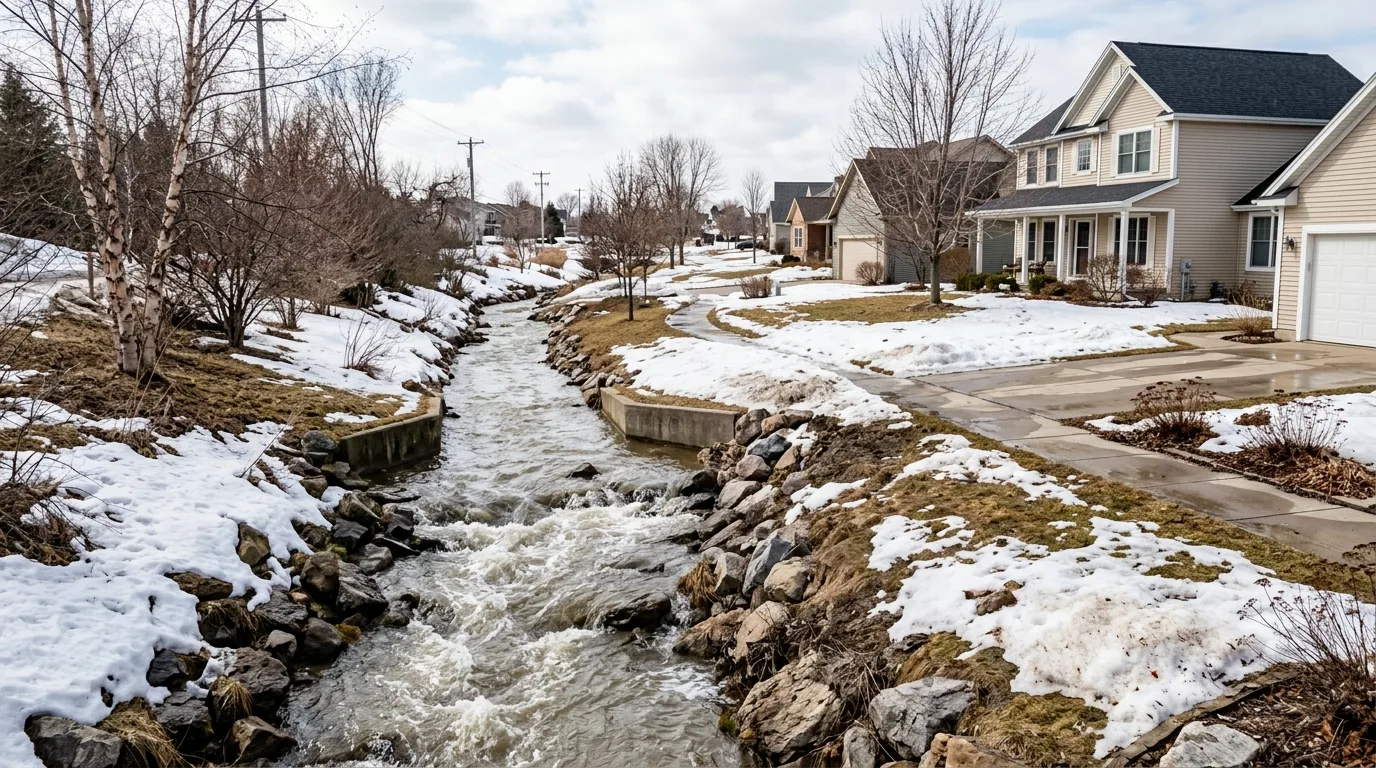
October is Duluth’s driest month — the one time of year when you can work on your home’s exterior without the Georgia heat, summer humidity, or constant rain interrupting the job. This fall maintenance checklist is built around the specific water damage risks facing Duluth, GA homeowners: burst pipes in the winter months ahead, foundation drainage pressures from Gwinnett County’s red clay soil, and the seasonal shift in humidity that changes how moisture moves through your home’s building envelope. In this post, we cover what to inspect, what to repair, and what to prepare before Georgia’s cold weather and wet spring arrive.
Schedule a Fall Water Damage Assessment in Duluth
Our team inspects for moisture risk before problems become emergencies. Serving all of Gwinnett County.
Why Fall Is the Right Time for Water Damage Prevention in Duluth
Duluth’s climate follows a clear seasonal pattern: October is typically the driest month of the year, with the fewest rain days and moderate temperatures in the 55–70°F range. This window is brief — November begins the transition into Georgia’s wet winter season, and January brings the freeze events that cause burst pipe emergencies across Gwinnett County. Completing your water damage prevention checklist in October means you’re working in the only reliable dry window between summer’s humidity and winter’s freeze risk.
The specific hazards you’re preparing for in fall are: (1) burst pipes during the December–February freeze season, (2) foundation drainage failures when spring thunderstorm season begins in March, and (3) crawlspace moisture accumulation driven by the contrast between cold outdoor air and warm, humid indoor air condensing on cold surfaces. Each of these risks is preventable with fall action. None of them are easily addressed once the cold or rain arrives.
Your Fall Water Damage Prevention Checklist for Duluth Homes
Gutters and Downspouts
- Clear gutters of leaves and debris. Clogged gutters overflow during winter rain events, depositing large volumes of water adjacent to your foundation walls — exactly where Gwinnett County’s red clay holds moisture against concrete.
- Inspect and replace damaged gutter sections. Seams and corners are the most common failure points; look for rust staining, separation, or sagging that collects water.
- Extend downspout discharge at least 6 feet from the foundation. Many Duluth homes have downspouts terminating at the foundation wall — this is one of the leading causes of basement seepage in the area.
Roof and Attic
- Inspect the roof for missing or damaged shingles. Fall is the best time for a roof inspection after summer UV exposure. Damaged shingles are the leading cause of winter roof leak events.
- Check attic ventilation and insulation. Attics that are too warm and too humid produce ice dams (in unusually cold Georgia winters) and are vulnerable to mold when humidity condenses inside the attic space.
- Inspect plumbing in the attic. If your home has water supply lines routed through the attic — common in older Duluth construction — check insulation around those pipes and add foam pipe insulation before December.
Crawlspace and Foundation
- Inspect crawlspace vapor barrier. The plastic sheeting covering your crawlspace floor should be intact, overlapping at seams, and free of gaps near the foundation walls. A damaged vapor barrier contributes directly to subfloor moisture accumulation.
- Check foundation vents. Fall is the time to inspect foundation vent covers; damaged or missing vents allow cold air to enter the crawlspace and increase pipe freeze risk for supply lines below the first floor.
- Look for efflorescence on foundation walls. White mineral deposits on concrete block or poured foundation walls indicate past moisture infiltration — a sign that foundation drainage may need attention before spring rain season.
Interior Plumbing
- Locate your main water shutoff. Know exactly where it is and confirm it operates smoothly. A stuck or seized shutoff valve is a liability when a pipe bursts at 2 AM in January.
- Inspect under-sink supply lines. Braided stainless supply lines have a typical life of 5–8 years before failure risk increases. If yours are approaching that age, replace them proactively.
- Test your sump pump. Pour a bucket of water into the sump pit and confirm the pump activates and discharges correctly. Replace the battery backup if it hasn’t been tested in the past year.
Water Damage Concerns in Duluth? We Can Help
Our team identifies water intrusion risks and responds immediately when water damage does occur. Call (877) 698-1311.
Special Considerations for Gwinnett County Red Clay Homes
Homes throughout Duluth and the broader Gwinnett County area sit on Rhodic clay soils that behave differently from sandy or loam soils in fall. As summer moisture dissipates, the clay contracts — a process that can cause minor foundation wall movement, particularly in older homes in the Howell Crossing area and Downtown Duluth that were built before modern foundation waterproofing was standard. This contraction can open hairline cracks in foundation walls that weren’t present during summer.
A fall crawlspace and foundation inspection should specifically look for new cracking or widened existing cracks — particularly in the below-grade portion of concrete block foundations. These cracks become water pathways when spring rain season returns. Sealing them in fall (with hydraulic cement or appropriate masonry sealant) is far more effective than waiting until they’re actively leaking in March. A basement waterproofing professional can evaluate whether cracks are cosmetic or structural.
How Much Does Fall Maintenance Cost vs. Water Damage Restoration?
The math on preventive maintenance is compelling for any Duluth homeowner. Gutter cleaning costs $100–$300. Pipe insulation for an attic run costs $20–$100 in materials. A crawlspace vapor barrier inspection costs a few hours of your time. Compare those numbers to the average water damage restoration cost in Duluth — $2,258–$2,321 for a typical event, with burst pipe jobs ranging from $5,000 to $70,000. The prevention cost is measured in hundreds; the recovery cost is measured in thousands.
The insurance math adds another dimension: many standard policies have water damage deductibles of $1,000 or more. Even a covered claim means out-of-pocket costs that could have been avoided with fall preparation. And some carriers in Georgia have begun adding exclusions or higher premiums for homes with a history of water claims — making prevention not just financially smart but strategically important for long-term insurability.
Frequently Asked Questions
When should I complete fall water damage prevention maintenance in Duluth?
Target October for the bulk of your fall maintenance — it’s Duluth’s driest month with the most comfortable working temperatures. Pipe insulation in attics and crawlspaces should be completed by early November at the latest. Sump pump testing can be done any time but is most valuable before the first significant fall rain event. Roof inspection is best done before leaves fully fall from surrounding trees, so you can see the roof surface clearly.
Do I need a permit for any fall maintenance tasks in Gwinnett County?
Most routine maintenance tasks — gutter cleaning, pipe insulation, vapor barrier repairs, sump pump maintenance — don’t require permits in Gwinnett County. Replacing or adding a sump pump with discharge plumbing may require a plumbing permit depending on scope. Structural foundation repairs that go beyond surface patching require a building permit under Code Section 106. For any work that feels like it crosses the line from maintenance into renovation, check with Gwinnett County’s building department or ask your contractor.
What are the most common water damage events in Duluth homes during winter?
Burst and frozen pipes are the leading cause of winter water damage calls in Duluth, typically occurring during January cold snaps when overnight temperatures fall below 28°F. Secondary winter risks include roof leaks from damaged shingles that allow rain to enter, and basement seepage from poor foundation drainage during winter rain events. Duluth’s Howell Crossing and Rivermont neighborhoods see a higher rate of burst pipe events than newer Gwinnett County developments because older construction is more likely to have uninsulated attic plumbing.
Related: